

Guide to Selling Your Home During Divorce in Antelope Valley, CA
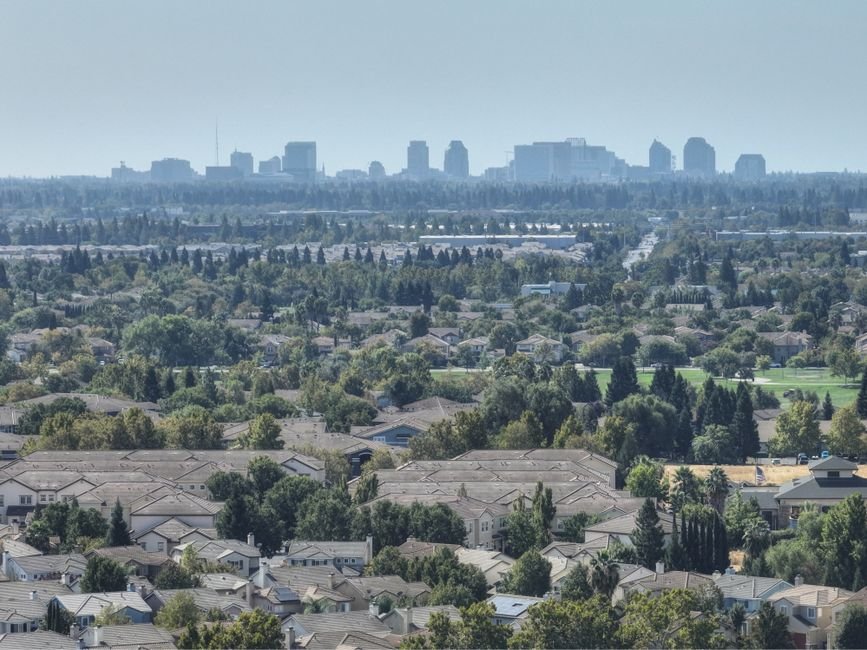
Divorce is never easy, and when you own a home together in Antelope Valley, the process becomes even more complex. As real estate professionals serving Lancaster, Palmdale, and surrounding communities, Cressent Property Group understands the unique challenges couples face when dividing property under California’s community property laws.
Whether your home is in west Palmdale, east Lancaster, or the rural areas of Antelope Valley, navigating the intersection of real estate and divorce law requires careful planning. This comprehensive guide will walk you through everything you need to know about selling your home during divorce in Antelope Valley, CA.
Understanding California Community Property Laws
California is one of nine community property states, which significantly impacts how assets are divided during divorce. Understanding these laws is crucial when dealing with real estate in Antelope Valley.
Under California community property law, any property acquired during the marriage is generally considered jointly owned by both spouses, regardless of whose name appears on the title. This means that your home in Antelope Valley—whether it’s a single-family residence in Quartz Hill, a condo in downtown Lancaster, or a property with acreage in Littlerock—is likely community property if purchased while married.
The key principle is equal division. California Family Code Section 2550 requires that community property be divided equally between spouses unless they agree otherwise in writing. This doesn’t necessarily mean the property must be sold, but it does mean both parties have an equal claim to its value.
There are important exceptions to consider. Property owned before marriage remains separate property, as does property acquired through gift or inheritance during the marriage. However, complications arise when separate property has been commingled with community property—such as when one spouse owned a home before marriage, but both spouses paid the mortgage during marriage.
For Antelope Valley couples, the appreciation in home values over recent years adds another layer of complexity. A home purchased for $250,000 in 2015 might now be worth $450,000 or more, and determining how to divide that equity fairly requires careful calculation and often professional valuation.
Options for Handling Your Antelope Valley Home During Divorce
When going through a divorce in Antelope Valley, CA, you have several options for dealing with your jointly-owned home. Each option has distinct advantages and disadvantages depending on your financial situation, relationship with your ex-spouse, and future housing needs.
| Option | Pros | Cons | Best For |
|---|---|---|---|
| Sell and Split Proceeds | Clean break, equal division, no ongoing ties | Market timing risk, moving costs, potential capital gains | Couples wanting complete separation |
| One Spouse Buys Out | Stability for children, avoid selling costs | Requires refinancing, cash for buyout, qualification hurdles | When one spouse wants to keep the home |
| Co-own Temporarily | Delay decision, wait for better market | Ongoing contact required, shared financial responsibility | Short-term solution during market uncertainty |
| Deferred Sale | Stability for minor children, tax benefits | Complex legal arrangement, delayed closure | Families prioritizing children’s schooling |
Selling and Splitting Proceeds: This is the most common solution for divorcing couples in Antelope Valley. Selling the home and dividing the proceeds provides a clean break and ensures both parties receive their fair share of the equity. In Antelope Valley’s current market, working with an experienced agent like Cressent Property Group can help maximize your sale price and minimize time on market.
One Spouse Buys Out the Other: If one spouse wishes to remain in the family home—particularly common when children are involved—a buyout can be arranged. This requires the remaining spouse to refinance the mortgage in their name alone and compensate the departing spouse for their equity share. In Antelope Valley, where median home prices vary significantly between areas like rural Acton and established neighborhoods in west Palmdale, accurate valuation is essential.
Continued Co-ownership: Some couples choose to maintain joint ownership temporarily, though this requires ongoing cooperation and shared financial responsibility. This option works best as a bridge solution rather than a permanent arrangement.
Deferred Sale: California law allows for deferred sale of the family home in certain circumstances, particularly when minor children are involved. This arrangement lets one spouse remain in the home with the children until a specified event (such as children graduating high school), after which the home is sold and proceeds divided.
Steps to Selling Your Antelope Valley Home During Divorce
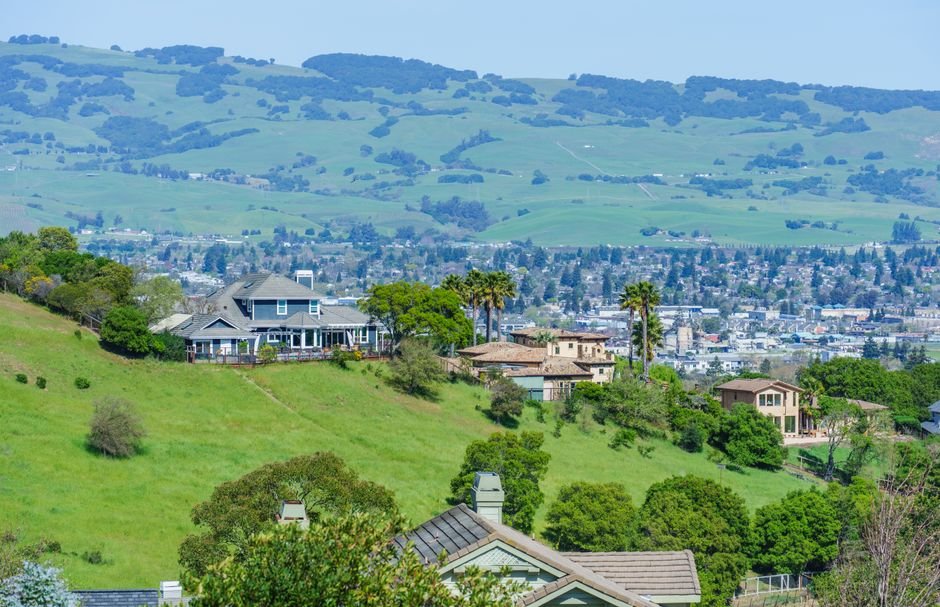
If you and your spouse have decided to sell your Antelope Valley home, following a structured process will help minimize conflict and ensure a smooth transaction.
Step 1: Obtain a Professional Valuation
Before making any decisions, you need an accurate assessment of your home’s current market value. Antelope Valley’s real estate market varies considerably between communities—a three-bedroom home in Lancaster’s ambling area commands a different price than a similar home in Palmdale’s newer developments. Cressent Property Group provides complimentary market analyses that account for recent comparable sales, current market conditions, and your home’s unique features.
Step 2: Reach Agreement on Sale Terms
Both spouses should agree on key decisions: listing price, minimum acceptable offer, how showings will be handled, and who will manage the sale process. Having these conversations early—preferably with your attorneys present—prevents disputes later. Put all agreements in writing.
Step 3: Prepare the Home for Market
Even during divorce, presenting your home in the best possible condition maximizes sale price. This might require cooperation on repairs, cleaning, decluttering, and staging. Determine upfront how these costs will be handled and whether they’ll be split equally or paid from proceeds at closing.
Step 4: Choose the Right Real Estate Agent
Working with a real estate professional experienced in divorce sales is invaluable. At Cressent Property Group, we understand the sensitive nature of these transactions and maintain strict neutrality while representing both parties’ interests. We handle communications professionally, keep emotions separate from business decisions, and work efficiently to close the sale.
Step 5: Navigate Offers and Negotiations
Both spouses should be involved in reviewing offers and making decisions about counteroffers and terms. Your real estate agent should communicate with both parties (and their attorneys) to ensure transparency throughout the negotiation process.
Step 6: Close the Transaction
At closing, proceeds will be distributed according to your divorce settlement agreement or court order. Work with your attorney to ensure closing documents reflect the proper division and that all liens or judgments are properly handled.
Tax Implications of Selling During Divorce in Antelope Valley
The tax consequences of selling your home during divorce can significantly impact your net proceeds. Understanding these implications helps you make informed decisions and avoid unexpected tax bills.
The capital gains exclusion is particularly important for Antelope Valley homeowners who have seen substantial appreciation. Under IRS rules, individuals can exclude up to $250,000 of capital gains from the sale of a primary residence ($500,000 for married couples filing jointly). To qualify, you must have owned and lived in the home for at least two of the five years before the sale.
For divorcing couples, timing matters. If you sell before the divorce is finalized and file a joint return for that tax year, you may qualify for the $500,000 exclusion. If you wait until after divorce, each spouse is limited to the $250,000 exclusion on their portion of the gain.
Special rules apply when one spouse receives the home in a divorce settlement. Under IRC Section 1041, property transfers between spouses incident to divorce are generally tax-free. The receiving spouse takes over the transferring spouse’s cost basis, which affects future capital gains calculations.
If one spouse remains in the home after divorce while the other moves out, maintaining the sale timeline for the capital gains exclusion requires careful planning. The spouse who moves out may still qualify for the exclusion if the sale occurs within the time limits and other requirements are met.
Antelope Valley homeowners should also consider California state taxes. California does not offer a separate capital gains rate—gains are taxed as ordinary income. Given California’s progressive tax structure, the tax impact can be substantial for homes with significant appreciation.
Consult with a tax professional before finalizing your home sale strategy. The team at Cressent Property Group can connect you with trusted tax advisors familiar with divorce-related real estate transactions in Antelope Valley.
Special Considerations for Antelope Valley Homeowners
Antelope Valley’s unique real estate market presents specific considerations for divorcing couples selling their homes.
Market Timing and Seasonality: Antelope Valley’s real estate market follows seasonal patterns, with spring and early summer typically bringing more buyers and higher prices. However, waiting for ideal market conditions may not align with your divorce timeline or financial needs. An experienced local agent can help you weigh market timing against personal circumstances.
Property Types: Antelope Valley includes diverse property types—from standard suburban homes in Palmdale’s tract developments to rural properties with horse facilities in Leona Valley. Unique properties require specialized marketing and may take longer to sell, which should factor into your planning.
Military Considerations: With Edwards Air Force Base nearby, many Antelope Valley homeowners have military connections. Special considerations apply if one spouse is active-duty military, including protections under the Servicemembers Civil Relief Act (SCRA) and potential deployment complications.
HOA and Community Obligations: Many Antelope Valley homes are part of homeowners associations. Ensure all HOA dues are current before listing, and determine how ongoing fees will be handled during the sale process. Some associations require documentation of divorce proceedings before allowing property transfers.
Rural Property Complications: If your Antelope Valley home includes acreage, water rights, or agricultural elements, additional legal and valuation considerations apply. These properties often require specialized appraisals and may have tax implications beyond standard residential properties.
Frequently Asked Questions
Q: Can one spouse force the sale of our Antelope Valley home during divorce?
A: Generally, yes. If you cannot reach an agreement, either spouse can petition the court for a partition action, which typically results in a court-ordered sale. However, courts may delay or deny forced sales when minor children are involved or other special circumstances exist. Reaching mutual agreement is almost always preferable to court intervention.
Q: What if my spouse won’t cooperate with selling our home?
A: An uncooperative spouse can complicate the sale process, but legal remedies exist. Your divorce attorney can petition the court to appoint a receiver or order specific cooperation. At Cressent Property Group, we’ve worked with many situations involving reluctant sellers and can help navigate these challenges while protecting both parties’ interests.
Q: How is home equity calculated for divorce purposes in Antelope Valley?
A: Home equity equals current market value minus outstanding mortgage debt and liens. For divorce purposes, you’ll need a professional appraisal or broker price opinion establishing fair market value. From this value, subtract your mortgage balance, any home equity loans or lines of credit, and potentially selling costs to arrive at net equity for division.
Q: Can we sell our home before the divorce is final?
A: Yes, many couples sell before divorce finalization. However, you’ll need either mutual written agreement or court approval. Proceeds are typically held in escrow or a trust account until the divorce is finalized and the court issues orders for distribution. Selling before finalization can sometimes provide tax advantages and allow both parties to move forward sooner.
Q: What happens if we’re underwater on our mortgage?
A: If your Antelope Valley home is worth less than you owe, options include short sale (with lender approval), continuing to hold the property until equity recovers, or bringing cash to closing to pay off the difference. In community property states like California, both spouses typically remain responsible for the debt regardless of who stays in the home unless refinancing occurs.
Q: How do we handle sale proceeds during the divorce process?
A: Sale proceeds should be deposited into a neutral escrow account or attorney trust account rather than either spouse’s personal account. The funds remain there until your divorce settlement or court order specifies the division. This prevents disputes about disappearing funds and ensures both parties’ interests are protected.
Q: Should we make repairs or improvements before selling during divorce?
A: This depends on your home’s condition and local market expectations. In Antelope Valley’s competitive market, homes in good condition sell faster and for higher prices. However, major improvements rarely return full value. Focus on essential repairs, cleaning, and presentation. Cressent Property Group can provide specific recommendations based on your property and current market conditions.
Q: How long does it typically take to sell a home in Antelope Valley during divorce?
A: Market conditions vary, but properly priced homes in good condition typically sell within 30-60 days in Antelope Valley. Divorce situations may add time for legal approvals and coordination between parties. Unique or higher-priced properties may take longer. Working with an experienced agent helps expedite the process while maximizing value.
Get Expert Help Selling Your Antelope Valley Home During Divorce
Selling your home during divorce in Antelope Valley, CA, requires navigating complex California community property laws, emotional challenges, and real estate market realities. You don’t have to handle this difficult process alone.
Cressent Property Group has extensive experience helping divorcing couples in Lancaster, Palmdale, and throughout Antelope Valley sell their homes efficiently while protecting both parties’ interests. We understand the sensitivity these transactions require and maintain the utmost professionalism and neutrality throughout the process.
Our services include:
- Complimentary home valuations specific to current Antelope Valley market conditions
- Guidance on preparing your home for maximum sale price
- Professional marketing that reaches qualified buyers quickly
- Skilled negotiation that protects your financial interests
- Coordination with attorneys, mediators, and other professionals
- Clear communication with both parties throughout the transaction
Whether you’re just beginning divorce proceedings or need to execute a settlement agreement, we’re here to make the real estate component as smooth and stress-free as possible.
Contact Cressent Property Group today at 1-800-642-1549 to discuss your situation and learn how we can help you move forward with confidence.
We serve all of Antelope Valley, including Lancaster, Palmdale, Quartz Hill, Acton, Littlerock, Lake Los Angeles, Leona Valley, and surrounding communities. Let our expertise in both local real estate and divorce sales work for you during this challenging time.