

Dealing With Squatters in Littlerock, CA: A Property Owner’s Legal Guide
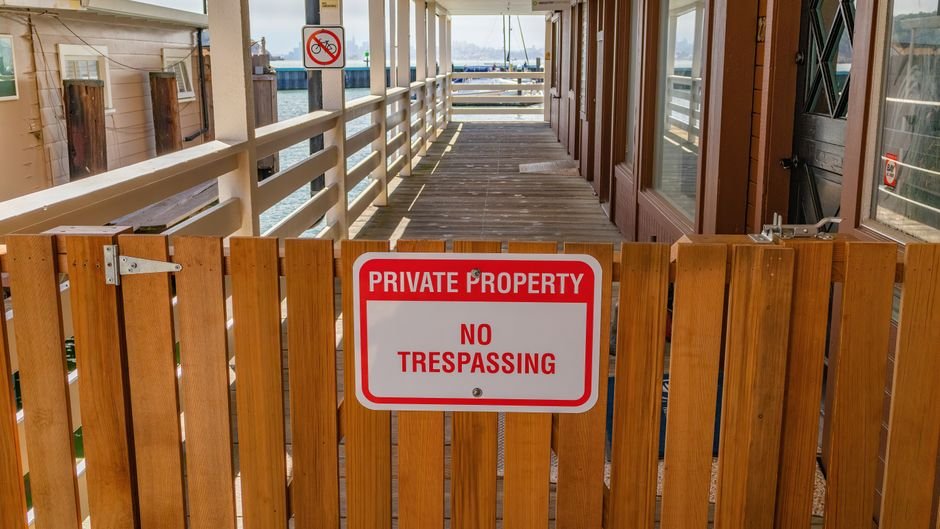
If you own property in Littlerock, California and have discovered unauthorized occupants living on your land, you’re facing one of the most frustrating situations a property owner can encounter. Whether it’s an abandoned home in the high desert that attracted transients, a rental property where tenants refused to leave, or vacant land where someone has set up camp, dealing with squatters requires understanding California’s specific legal framework.
At Cressent Property Group, we’ve helped numerous Antelope Valley property owners navigate these challenging situations. While every case is unique, understanding your rights and the legal process is the critical first step toward resolving the situation and moving forward with your property.
Understanding Squatter Rights and California Law
California has specific laws governing squatter situations, and it’s important to understand the distinction between different types of unauthorized occupants. The term “squatter” technically refers to someone who occupies property without permission and may eventually claim adverse possession rights. However, most situations Littlerock property owners face involve trespassers or holdover tenants rather than squatters with legitimate legal claims.
In California, adverse possession—where a squatter could potentially gain legal ownership—requires continuous occupation for five years while paying property taxes. This is an extremely high bar that few unauthorized occupants meet. Most situations in Littlerock involve people who have been on the property for much shorter periods and have no legal claim whatsoever.
That said, California law does provide certain protections even to unauthorized occupants, which means you cannot simply remove people or their belongings without following proper legal procedures. Using “self-help” eviction methods—like changing locks, shutting off utilities, or removing belongings—can expose you to serious legal liability, even when someone is clearly trespassing.
The legal process you’ll need to follow depends on several factors: how long the occupants have been there, whether they ever had permission to be on the property, and whether they can produce any documentation suggesting a right to occupancy. In Los Angeles County, where Littlerock is located, you’ll typically need to work through the Antelope Valley Courthouse to pursue legal eviction proceedings.
The California Eviction Process for Unauthorized Occupants
When dealing with squatters in Littlerock, CA, most property owners will need to pursue an unlawful detainer action—California’s formal eviction process. This legal procedure is designed to remove unauthorized occupants while protecting everyone’s rights, though it requires patience and proper execution.
The process typically begins with serving proper notice to the occupants. If the occupants are genuine trespassers with no claim to occupancy rights, you’ll serve a 3-Day Notice to Quit. This notice informs them they must vacate within three days. If there was ever any rental agreement or permission to occupy (even informal), you may need to serve a different notice, such as a 30-Day or 60-Day Notice to Vacate, depending on how long they’ve occupied the property.
Notice service must be completed according to strict legal requirements. In California, you can personally serve the notice, use substituted service by leaving it with another adult at the residence, or in some cases, use “nail and mail” service by posting it on the property and mailing a copy. Proper service is crucial—any mistakes here can delay your case by weeks or months.
If the occupants don’t leave after the notice period expires, you’ll need to file an unlawful detainer lawsuit with the Los Angeles County Superior Court. You cannot skip this step. Even if you’re certain the occupants have no right to be there, California law requires a court order before law enforcement can remove them.
The court process typically takes 3-6 weeks if uncontested, though occupants who file responses can extend the timeline. You’ll need to prepare specific legal documents, pay filing fees (currently around $435 for unlawful detainer cases in Los Angeles County), and potentially appear at a hearing. Many Littlerock property owners choose to work with attorneys who specialize in unlawful detainer cases, as procedural mistakes can restart the entire process.
Once you receive a judgment in your favor, the court issues a writ of possession. Only at this point can the Los Angeles County Sheriff’s Department physically remove the occupants and their belongings. The sheriff will post a 5-day notice, and if occupants still haven’t left, will return to perform the lockout.
For many Littlerock property owners, this 4-8 week (or longer) process feels overwhelming, especially when combined with the costs of legal fees, lost time, and potential property damage. This is why some owners explore alternative solutions, including selling the property with occupants still in place.
When to Consider Selling Your Property with Squatters Present

Many Littlerock property owners facing unauthorized occupants assume they must complete the entire eviction process before selling. However, this isn’t always the case. Depending on your circumstances, selling to a specialized buyer who handles occupancy issues may be your most practical path forward.
The traditional route—unlawful detainer proceedings followed by listing with a real estate agent—can stretch 6-12 months or longer in California’s current legal climate. During this time, you’re responsible for property taxes, insurance, potential property damage, and the emotional stress of ongoing legal battles.
Several situations make selling with squatters present particularly attractive:
- Out-of-area ownership: If you’ve inherited property in Littlerock but live elsewhere, managing the eviction process from a distance becomes exponentially more challenging and expensive
- Financial pressure: When property taxes are accumulating or you need to resolve an estate, waiting months for legal proceedings may not be financially feasible
- Property condition concerns: Squatters often cause significant damage; the longer they remain, the more expensive repairs become
- Hostile or dangerous occupants: Some situations involve individuals who are threatening or have created hazardous conditions on the property
- Multiple unauthorized occupants: When squatters have invited others to the property, the legal complexity increases substantially
Specialized property buyers like Crescent Property Group routinely purchase Antelope Valley homes with occupancy issues. These companies have the legal resources, experience, and financial capacity to handle the eviction process themselves after purchase. For property owners, this means immediate relief from the problem and a certain closing date.
Comparing Your Options: Traditional Sale vs. Selling As-Is with Occupants
Understanding the practical differences between your options helps you make an informed decision. Here’s how the two main approaches compare for Littlerock property owners dealing with squatters:
| Factor | Traditional Sale (After Eviction) | Sell As-Is with Occupants |
|---|---|---|
| Timeline to Sale | 6-12+ months (eviction + marketing + escrow) | 7-21 days from initial contact |
| Upfront Legal Costs | $3,000-$8,000+ in attorney fees | $0 (buyer handles eviction) |
| Ongoing Holding Costs | Property taxes, insurance, utilities for 6-12 months | Minimal (only until quick closing) |
| Property Repairs Needed | Full repair/cleaning for market appeal | None (sold in current condition) |
| Sale Price | Full retail market value | Discounted (typically 60-80% of ARV) |
| Deal Certainty | Contingent on buyer financing, inspections | Cash offer, no contingencies |
| Your Stress Level | High (months of legal proceedings) | Low (problem transfers to buyer) |
| Risk of Property Damage | Ongoing during eviction process | Ends at closing |
The math isn’t always straightforward. While selling as-is means accepting a lower purchase price, you must weigh that against the considerable costs of the alternative. A property owner spending $5,000 on legal fees, $8,000 on holding costs, and $15,000 on repairs may net less than someone who accepts a discounted cash offer and closes quickly.
Your personal situation matters tremendously in this equation. A Littlerock resident who can monitor the property and handle contractor coordination may find the traditional route more feasible than someone managing the situation from out of state.
Frequently Asked Questions About Squatters in Littlerock CA
Can squatters claim ownership of my Littlerock property?
California’s adverse possession laws theoretically allow this, but the requirements are extremely stringent. A squatter would need to occupy your property openly and continuously for five years while paying all property taxes during that period. If you’re monitoring your property and addressing the situation promptly, adverse possession is not a realistic concern.
What if the squatters have children or claim they have nowhere to go?
While these situations are emotionally difficult, California law still protects your property rights. Courts cannot deny an unlawful detainer case based on a squatter’s personal circumstances. However, these factors may extend the timeline, as judges sometimes grant additional time before enforcing eviction orders.
Do I need to worry about squatter’s rights if they’ve only been there a few weeks?
The length of occupancy doesn’t create legal tenancy rights if no rental agreement existed and no rent was paid. However, addressing the situation quickly is still important—the longer someone occupies your property, the more complicated and expensive removal becomes.
Can I sell my property if there’s an active unlawful detainer case?
Absolutely. Property ownership can transfer at any time. The new owner would simply continue with the existing legal proceedings. Many investors specifically look for these situations as they can often negotiate better purchase prices.
How much less will I get if I sell with squatters present?
This varies based on property condition, location, and occupancy complexity. Most cash buyers purchasing Littlerock properties with squatter issues offer 60-80% of the after-repair value. However, when you subtract the costs you’d otherwise incur (legal fees, holding costs, repairs), the net difference is often much smaller than expected.
What happens to the squatters after I sell to a cash buyer?
The new owner assumes responsibility for the eviction process. Professional property buyers have established relationships with eviction attorneys and handle these proceedings routinely. Some negotiate “cash for keys” agreements; others proceed through formal unlawful detainer actions.
Get Expert Help with Your Littlerock Property Today
Dealing with squatters in Littlerock CA is stressful, but you don’t have to navigate it alone. Whether you choose to pursue eviction proceedings or explore selling your property with occupants present, having experienced guidance makes all the difference.
Crescent Property Group has helped numerous Antelope Valley property owners resolve complicated occupancy situations. We purchase properties in any condition, with any occupancy issue, and can close on your timeline. Our team understands California’s complex eviction laws and has the resources to handle the legal process after purchase.
You’ll receive a fair, no-obligation cash offer within 24 hours, and we can close in as little as seven days if that timing works for you. No repairs, no cleaning, no showings—and most importantly, no more dealing with unauthorized occupants.
Call us today at 1-800-642-1549 to discuss your situation with a local property specialist who understands exactly what you’re facing. We’re here to provide honest answers and present all your options, with no pressure and no fees. Let us help you move forward from this challenging situation.