

Dealing with Squatters in Bakersfield, CA: A Property Owner’s Guide to Legal Rights and Solutions

Discovering unauthorized occupants in your Bakersfield property can be one of the most frustrating experiences a property owner faces. Whether you’ve inherited a home, own a vacant investment property, or returned to find someone living in your house without permission, understanding California’s squatter laws and your options is essential. As a property owner in Kern County, you have specific legal rights—and obligations—when dealing with squatters in Bakersfield, CA.
The Central Valley’s affordable housing market has unfortunately made Bakersfield an area where squatter situations occur more frequently than many owners expect. From abandoned properties near the oil fields to vacant homes in established neighborhoods like Oleander-Sunset or East Bakersfield, unauthorized occupants can create complex legal and financial challenges. The good news is that you’re not without recourse, and there are clear pathways to resolving the situation.
Understanding Squatters Rights and Adverse Possession in California
In California, the term “squatter” refers to someone occupying a property without the owner’s permission. However, it’s crucial to distinguish between different types of unauthorized occupants, as this affects your legal approach and timeline for resolution.
True squatters are individuals who have entered and occupied your property without any lease agreement or permission. Under California law, squatters can potentially claim adverse possession—legal ownership of your property—but only after meeting extremely specific and stringent requirements over a continuous five-year period. They must prove open and notorious occupation, pay all property taxes during that time, and demonstrate hostile possession (without your permission). In Bakersfield and throughout Kern County, successful adverse possession claims are rare, but the legal framework exists.
More commonly, Bakersfield property owners deal with holdover tenants (previous renters who refuse to leave after their lease expires) or trespassers who have simply broken into a vacant property. These situations, while still challenging, typically follow a more straightforward legal process than true adverse possession cases.
The distinction matters because it determines which legal pathway you’ll follow. Holdover tenants require a formal eviction process through the courts, while trespassers may be removed through law enforcement if you can prove they have no legal right to be there. When you contact the Bakersfield Police Department about unauthorized occupants, they’ll often ask for documentation proving ownership and evidence that the occupants have no legitimate claim—which is why maintaining clear property records is essential.
Many Bakersfield property owners are surprised to learn that they cannot simply change the locks or shut off utilities to force squatters out, even on property they clearly own. California’s tenant protection laws are robust, and self-help eviction tactics can expose you to significant legal liability, even when dealing with unauthorized occupants. The process must go through the proper legal channels.
The Legal Eviction Process for Bakersfield Property Owners
Removing squatters from your Bakersfield property legally requires following California’s unlawful detainer process through the Kern County Superior Court. While this process can feel frustratingly slow when you’re dealing with people illegally occupying your property, it’s the only way to ensure you’re protected legally and can actually enforce the removal.
The first step is serving proper notice to the occupants. For squatters with no legal claim whatsoever, this typically means a 3-Day Notice to Quit, which you can obtain through an attorney or legal document service familiar with California law. This notice must be served according to strict legal requirements—personally delivered, posted conspicuously on the property, or sent via certified mail. Many Bakersfield property owners choose to hire a professional process server to ensure this critical step is completed correctly, as improper service can delay the entire process by weeks or months.
If the occupants don’t vacate after the notice period expires, you’ll need to file an unlawful detainer lawsuit with the Kern County Superior Court located downtown on Truxtun Avenue. This involves completing specific forms, paying filing fees (typically several hundred dollars), and providing evidence of your ownership and the occupants’ lack of legal right to be there. You’ll need your property deed, any documentation of the unauthorized occupation, and proof that proper notice was served.
The court will schedule a hearing, typically within 20 days of filing, though Kern County’s court calendar can sometimes extend this timeline. If you win your case—which is likely when dealing with true squatters who have no legal defense—the court will issue a judgment for possession. Only then can you request that the Kern County Sheriff’s Office physically remove the occupants, a process that can take an additional few weeks depending on their schedule.
From start to finish, the legal eviction process in Bakersfield typically takes 30 to 60 days minimum, and can extend much longer if occupants contest the action or if there are complications with service or court scheduling.
Understanding California’s Unlawful Detainer Process in Bakersfield
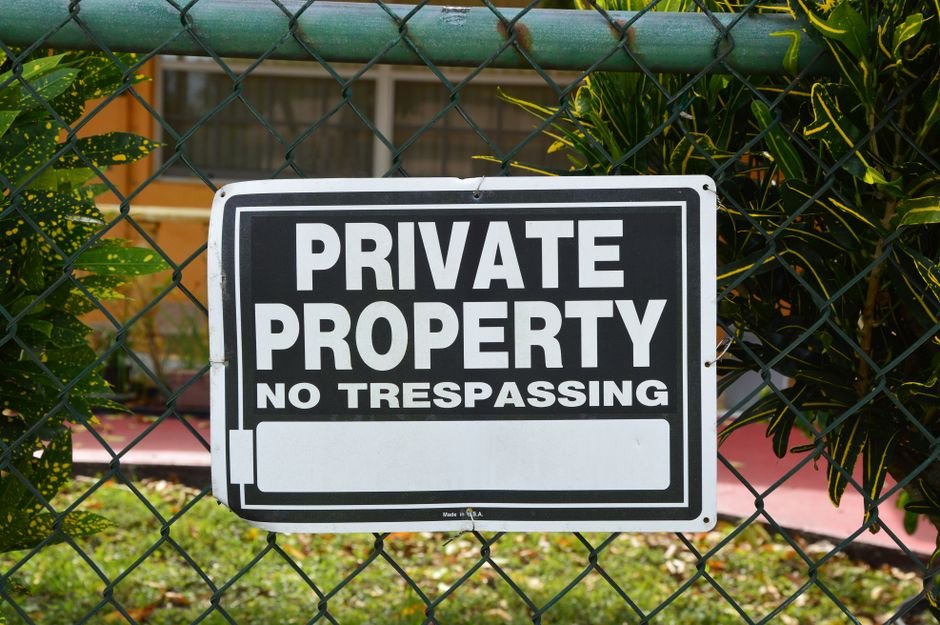
When dealing with squatters in Bakersfield CA, property owners must follow California’s unlawful detainer process carefully. This legal procedure is the only lawful way to remove unauthorized occupants from your property, and skipping steps can result in delays, fines, or even criminal charges against the property owner.
The process begins with serving proper notice to the occupants. In Kern County, you’ll typically serve either a 3-day notice to quit (for squatters with no claim to the property) or a 30/60-day notice (if any tenancy ever existed). These notices must meet specific legal requirements regarding content, format, and delivery method. Many Bakersfield property owners find that having these notices prepared by an attorney or legal document service ensures compliance with California’s strict requirements.
After the notice period expires without the occupants vacating, you’ll need to file an unlawful detainer lawsuit with the Kern County Superior Court. The filing includes a summons and complaint that must be properly served to the occupants. They then have five days to respond, though in reality, many squatters don’t file a response, which can actually speed up the process.
If the occupants don’t respond, you can request a default judgment. If they do respond, you’ll proceed to a court hearing where both sides present their case. Bakersfield’s court calendar can be busy, so expect anywhere from three weeks to two months for a hearing date, depending on current caseloads.
Once you receive a judgment in your favor, the court issues a writ of possession. Only then can the Kern County Sheriff’s Department physically remove the occupants—typically within 5-15 days of receiving the writ. From start to finish, the entire unlawful detainer process in Bakersfield generally takes 45-90 days for uncontested cases, and 3-6 months if the squatters fight back with legal defenses.
During this time, you cannot turn off utilities, change locks, or take any “self-help” eviction measures. Such actions are illegal in California and can result in the occupants suing you for wrongful eviction, potentially costing thousands in damages.
Comparing Your Options: Eviction vs. Selling As-Is
Property owners facing squatters in Bakersfield CA essentially have two paths forward: pursue the full eviction process or sell the property with occupants in place. Each approach has distinct advantages and challenges worth considering based on your specific situation.
| Factor | Traditional Eviction Process | Selling As-Is to Cash Buyer |
|---|---|---|
| Timeline | 2-6 months minimum, often longer if contested | 7-14 days to close in many cases |
| Out-of-Pocket Costs | $3,000-$8,000+ for attorney fees, court costs, sheriff fees | Minimal to none; buyer handles closing costs |
| Ongoing Expenses | Continue paying mortgage, taxes, insurance, utilities during process | Expenses end at closing (typically within 2 weeks) |
| Property Damage Risk | High—occupants may damage property out of spite during eviction | Lower—becomes buyer’s responsibility at closing |
| Stress Level | High—court dates, paperwork, confrontation, uncertainty | Low—professional buyer handles all complications |
| Final Sale Price | Potentially higher after repairs and traditional listing | Below retail but no repair costs, fees, or carrying costs |
| Guaranteed Outcome | Not guaranteed—squatters can delay with legal tactics | Certain once purchase agreement is signed |
For many Bakersfield property owners, the decision comes down to time, stress, and financial calculations. If you have significant equity in the property, can afford the legal costs and carrying expenses, and have the emotional bandwidth to manage the eviction process, pursuing unlawful detainer might make sense—especially if you plan to keep the property long-term.
However, if you’re already financially stretched, live out of the area, have inherited the property, or simply want to move on with your life, selling as-is to an experienced buyer can provide immediate relief. The difference in final proceeds often becomes minimal once you factor in 3-6 months of mortgage payments, legal fees, potential property damage, and the opportunity cost of having your equity locked up in a problem property.
Some Bakersfield owners in particularly difficult situations—such as squatters who’ve established utility accounts, received mail at the address, or made improvements to the property—face an uphill legal battle. These factors can lead courts to grant more rights to occupants, extending the eviction timeline significantly. In such cases, selling as-is becomes even more attractive.
Frequently Asked Questions About Squatters in Bakersfield
How long does someone have to squat before they have rights in California?
In California, squatters can potentially claim adverse possession after occupying a property continuously for five years while paying property taxes. However, this is extremely rare and requires meeting strict legal criteria. Most squatter situations in Bakersfield involve much shorter timeframes and don’t grant legal ownership rights, though occupants may still have procedural rights that require formal eviction.
Can I just change the locks if I find squatters in my Bakersfield property?
No. California law prohibits “self-help” evictions, including changing locks, removing belongings, or shutting off utilities. These actions are illegal even when dealing with obvious squatters. You must go through the formal unlawful detainer process. Violating these rules can result in the squatters suing you for wrongful eviction, often resulting in damages that exceed what you’d pay for a legal eviction.
What if the squatters claim they have a lease agreement?
Squatters sometimes produce fake lease agreements or claim a previous arrangement with someone who may or may not have had authority to rent the property. If they present any documentation suggesting tenancy, the eviction process becomes more complex. You’ll need to prove the lease is fraudulent or invalid, which requires court proceedings. This is one scenario where selling to an experienced buyer who handles these complications becomes particularly appealing.
Will I get less money selling my house with squatters in it?
You’ll receive less than full retail value, but you avoid attorney fees ($3,000-$8,000), months of mortgage and utility payments, property taxes, insurance, and the cost of repairs if squatters damage the property. When you calculate the net proceeds after all these expenses and delays, many Bakersfield sellers find that selling as-is puts nearly the same amount in their pocket—sometimes more—while eliminating months of stress.
How quickly can I sell a property with squatters in Bakersfield?
With the right buyer, you can close in as little as 7-14 days. Cash buyers who specialize in occupied properties can move quickly because they don’t need mortgage approval and are prepared to handle the occupant situation after purchase. This allows you to walk away from the problem with cash in hand while the buyer takes on the responsibility of working with or removing the occupants.
What happens to the squatters after I sell the property?
That becomes the new owner’s responsibility. Experienced investment buyers have established processes and resources for dealing with occupants—whether through cash-for-keys negotiations, proper legal eviction procedures, or in rare cases, working out arrangements with occupants who may be willing to pay rent going forward. As the seller, these complications are no longer your concern after closing.
Get Expert Help With Your Bakersfield Squatter Situation
Dealing with squatters in Bakersfield CA is stressful, complicated, and time-consuming. Whether you choose to pursue eviction or sell your property as-is, you don’t have to navigate this challenging situation alone.
Cressent Property Group specializes in helping Bakersfield property owners resolve difficult occupancy situations quickly and fairly. We’ve worked with dozens of Kern County property owners facing unauthorized occupants, and we understand both the legal complexities and the emotional toll these situations create.
We can make you a fair, no-obligation cash offer on your