

Navigating Probate Property Sales in Santa Clarita, CA: A Complete Guide for Executors and Heirs
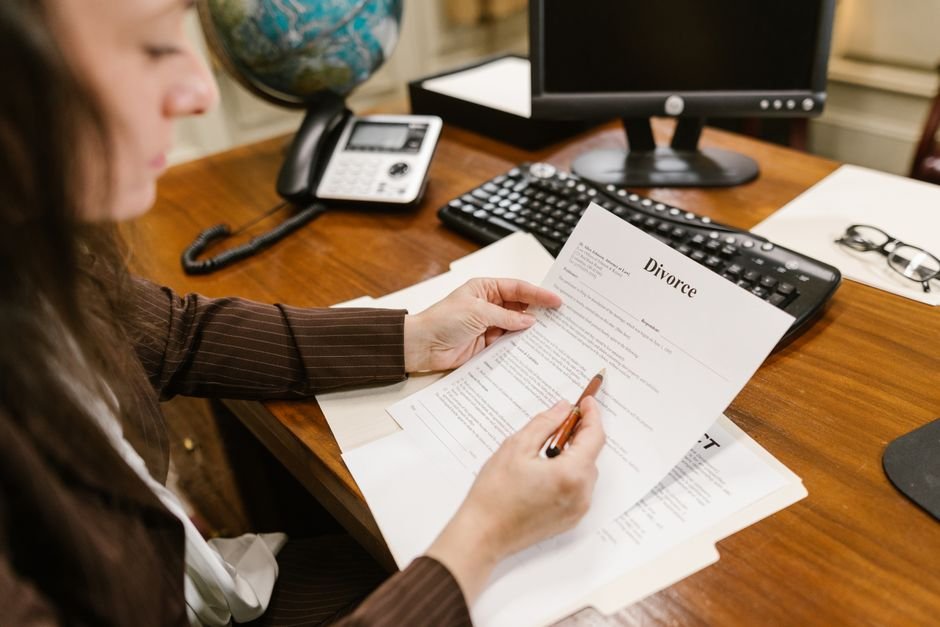
Losing a loved one is never easy, and the responsibility of managing their estate can feel overwhelming—especially when real estate is involved. If you’ve been named as an executor or are an heir to a property in Santa Clarita, CA, understanding the probate process is essential to making informed decisions during this challenging time.
Probate in California involves court supervision of asset distribution after someone passes away. When real estate is part of the estate, the process becomes more complex, with specific requirements, timelines, and opportunities to consider. Whether you’re just beginning to navigate probate Santa Clarita CA or you’re already in the midst of proceedings, this guide will help you understand your options and responsibilities.
At Cressent Property Group, we’ve helped countless families in Santa Clarita navigate probate property sales with compassion and expertise. We understand that this isn’t just about real estate—it’s about honoring your loved one’s legacy while making sound financial decisions for your family’s future.
Understanding the California Probate Process
The California probate process is a legal procedure through which the court validates a will (if one exists) and oversees the distribution of the deceased person’s assets. When real property is involved, the process typically requires court approval before the property can be sold.
In Santa Clarita and throughout Los Angeles County, probate cases are handled by the Los Angeles Superior Court. The process begins when an executor or administrator files a petition with the court, usually within 30 days of the person’s death. Once the court validates the will and formally appoints the executor, that person gains the legal authority to manage the estate’s assets, including any real estate.
For properties in Santa Clarita, the probate timeline typically ranges from 9 to 18 months, though complex estates can take longer. Several factors influence this timeline, including whether the will is contested, the complexity of the estate, court scheduling, and whether all heirs are in agreement about the property disposition.
During probate, the executor has several responsibilities related to the property. These include securing and maintaining the home, paying ongoing expenses like mortgages, property taxes, and insurance, obtaining a formal property appraisal, and notifying all beneficiaries and creditors. The court’s involvement protects all parties’ interests but also means following specific procedures that can’t be bypassed or rushed.
It’s important to note that not all estates require probate. In California, simplified procedures may be available for estates valued under $184,500 or when property is held in a living trust. However, most properties in Santa Clarita exceed this threshold, meaning full probate is typically necessary.
Timeline and Steps for Selling Probate Property in Santa Clarita
When selling a probate property in Santa Clarita, understanding the specific steps and timeline can help you plan accordingly and avoid unnecessary delays.
The process begins with obtaining court appointment as executor or administrator, which typically takes 6-8 weeks after filing the initial petition. Once appointed, you’ll need to have the property professionally appraised—a court requirement in California probate sales. This appraisal establishes the minimum acceptable sale price, as probate properties generally cannot be sold for less than 90% of the appraised value without special court approval.
Next, you’ll petition the court for authority to sell the property. California offers two paths: selling with full authority under the Independent Administration of Estates Act (IAEA), or selling with standard court confirmation. With IAEA authority, you have more flexibility and can sell the property without a court hearing, provided all beneficiaries consent and the sale meets minimum price requirements. This typically speeds up the process by 4-6 weeks.
Without IAEA authority, you’ll need to obtain court confirmation of the sale. This involves listing the property, accepting an offer, and then scheduling a court hearing where the sale is confirmed. At this hearing, other interested buyers can submit overbids following specific rules—they must bid at least 5% more than the accepted offer, plus an additional $500.
Once the court confirms the sale (or you close under IAEA authority), you’ll proceed to closing much like a traditional real estate transaction. However, probate sales in California have specific disclosure requirements and typically include a standard clause that the property is sold “as-is” without warranties from the estate.
From listing to closing, a probate sale in Santa Clarita typically takes 4-6 months after receiving court appointment, assuming no complications arise. Working with a real estate professional experienced in probate Santa Clarita CA can help streamline this timeline and avoid common pitfalls that cause delays.
Selling the Property Before vs. During Probate in Santa Clarita
One of the most common questions executors ask is whether they should sell the inherited property before probate closes or wait until after. In Santa Clarita, the answer depends on several factors including the estate’s financial obligations, property condition, and beneficiary agreement.
If all heirs agree and the estate has sufficient liquid assets to cover debts and taxes, you may be able to transfer the property via an affidavit of death or trust distribution without formal probate. However, most situations require court approval for the sale.
During probate, the executor can petition the court for permission to sell the property. This is often necessary when the estate needs liquidity to pay debts, property taxes are accumulating, or the home requires maintenance that the estate cannot afford. The probate sale process includes specific legal requirements that differ from traditional real estate transactions.
| Timing Option | Advantages | Considerations |
|---|---|---|
| Selling During Probate |
|
|
| Selling After Probate |
|
|
Many Santa Clarita executors choose to sell during probate to avoid the carrying costs associated with vacant properties in neighborhoods like Valencia, Saugus, and Canyon Country. Property taxes, insurance, utilities, and landscaping expenses add up quickly, potentially reducing the inheritance beneficiaries receive.
The probate court sale process requires an independent appraisal, and offers must meet minimum price thresholds. Once you accept an offer, the court schedules a confirmation hearing where other buyers can submit overbids following specific increment rules. While this might seem concerning, the confirmation hearing often validates your accepted offer when the property is priced correctly from the start.
Working with Real Estate Professionals Who Understand Probate
Navigating probate Santa Clarita CA requirements becomes significantly easier when you partner with real estate professionals experienced in probate transactions. Not all agents understand the unique legal requirements, court procedures, and timeline considerations involved in estate sales.
At Cressent Property Group, we’ve helped numerous Santa Clarita executors and heirs through the probate process. We understand that selling an inherited home often comes during an emotionally difficult time, and we approach each situation with sensitivity while providing clear, practical guidance.
An experienced probate real estate professional can help you:
- Accurately price the property based on current Santa Clarita market conditions and probate requirements
- Coordinate with probate attorneys to ensure all legal requirements are met
- Prepare the property for sale while respecting the estate’s budget constraints
- Navigate court confirmation hearings and overbid procedures
- Handle disclosure requirements specific to probate sales
- Communicate with multiple heirs and keep everyone informed throughout the process
Many probate properties in Santa Clarita require some level of preparation before listing. The home may have been occupied by an elderly owner for decades and need updating, or it might have been vacant and require maintenance. A knowledgeable real estate partner can recommend cost-effective improvements that maximize sale price without requiring the estate to invest heavily upfront.
Some executors face situations where the estate lacks funds for repairs or clearing out the property. In these cases, selling to an investor or as-is buyer might be the most practical solution. Understanding all your options helps you make the best decision for the beneficiaries.
Frequently Asked Questions About Probate Sales in Santa Clarita
How long does probate take in Santa Clarita, CA?
California probate typically takes 9-18 months, though simple estates can sometimes close in 8 months while complex situations may extend beyond two years. The timeline depends on estate complexity, court schedules, creditor claims, and whether any disputes arise among beneficiaries.
Can I live in the house during probate?
This depends on your relationship to the deceased and the will’s terms. Some beneficiaries may have the right to occupy the property, while others might need to pay fair market rent to the estate. The executor should consult with the probate attorney to determine the proper arrangement.
Do probate sales require court confirmation in California?
Most probate sales require court confirmation unless the will specifically granted the executor Independent Administration of Estates Act (IAEA) authority with full powers. Even with IAEA authority, certain restrictions may apply, so confirming with your probate attorney is essential.
What happens if heirs disagree about selling the property?
The executor has the authority to petition the court for permission to sell if it’s in the estate’s best interest, even if some heirs object. The court will consider factors like estate debts, carrying costs, and whether the property can be reasonably maintained during probate.
Are probate properties sold below market value?
No, this is a common misconception. California law requires probate properties to sell for at least 90% of the appraised value. Most probate sales in Santa Clarita achieve fair market value, especially when properly marketed and priced.
What costs come out of the estate before heirs receive their inheritance?
The estate must pay funeral expenses, estate debts, property taxes, attorney fees, executor fees, court costs, and real estate commissions before distributing remaining assets to beneficiaries. Proper accounting of all expenses is required.
Let Us Help You Navigate Your Santa Clarita Probate Sale
Handling an estate and probate sale in Santa Clarita doesn’t have to be overwhelming. At Cressent Property Group, we bring local expertise and probate-specific knowledge to guide executors and heirs through every step of the process.
Whether you’re just beginning probate, ready to list the property, or exploring your options, we’re here to provide straightforward answers and compassionate support. We understand Santa Clarita’s neighborhoods, current market conditions, and the specific requirements of probate real estate transactions.
Call us today at 1-800-642-1549 to discuss your situation. There’s no obligation—just honest advice from local professionals who understand what you’re going through and can help you make informed decisions about your inherited Santa Clarita property.