

The 24-Hour Guide to Selling Your Lancaster, CA Home During Divorce
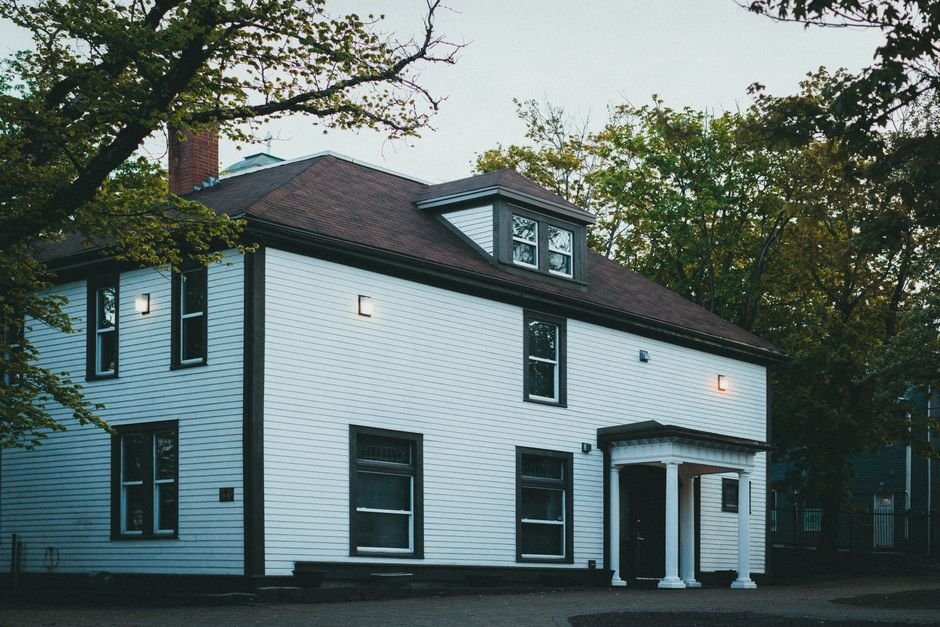
Divorce is never easy, and when you’re navigating the process in Lancaster, California, deciding what to do with your shared home adds another layer of complexity. Whether you’re standing in your kitchen on Avenue K or looking out at the Joshua trees from your Desert Willow property, the question of how to handle your most valuable asset during divorce weighs heavily on both parties.
At Cressent Property Group, we’ve helped countless Lancaster couples navigate the home sale process during divorce proceedings. We understand that this isn’t just a transaction—it’s a turning point in your life. This comprehensive guide walks you through everything you need to know about selling your home during divorce in Lancaster, CA, with special attention to California’s unique community property laws.
If you need immediate assistance or have questions specific to your situation, call us at 1-800-642-1549. We’re here to help you move forward.
Understanding California Community Property Laws and Your Lancaster Home
California is one of only nine community property states, which significantly impacts how your Lancaster home will be divided during divorce. Unlike equitable distribution states, California law presumes that all assets acquired during the marriage belong equally to both spouses—regardless of whose name is on the title or who made the mortgage payments.
Here’s what this means for your Lancaster property:
Community Property: If you purchased your home after getting married, it’s generally considered community property, meaning you and your spouse each own a 50% interest. This applies whether you bought a starter home in the Sun Village area or invested in a larger property near Quartz Hill.
Separate Property: Property acquired before marriage, through inheritance, or as a gift remains separate property. However, if community funds (like both spouses’ income) were used for mortgage payments or improvements, the situation becomes more complex—creating what’s called “commingling.”
The Commingling Challenge: Many Lancaster homeowners have unknowingly created a mixed property situation. For example, if one spouse owned the home before marriage but both contributed to mortgage payments, remodeling, or property taxes during the marriage, the community may have acquired an interest in that separate property.
California Family Code Section 2581 requires that community property be divided equally upon divorce. For most Lancaster couples, this means either selling the home and splitting proceeds, or one spouse buying out the other’s interest.
Your Three Primary Options for the Family Home
When facing divorce in Lancaster, you have several paths forward with your shared property. Each option has distinct advantages and challenges, particularly given the current Antelope Valley real estate market.
Option 1: Sell and Split the Proceeds
This is the most common solution and often the cleanest break. You list the home on the market, sell to a third party, pay off the mortgage and selling costs, then divide what remains according to your divorce settlement (typically 50/50 in California).
Advantages: Both parties walk away with cash to start fresh, no ongoing financial ties, and clear resolution.
Challenges: You’re subject to market timing, must cooperate on showing schedules and sale decisions, and traditional sales can take 60-90 days or longer in Lancaster’s market.
Option 2: One Spouse Buys Out the Other
If one person wants to keep the family home—perhaps because of children in local schools like Piute Middle School or Desert Christian Schools—they can purchase the other spouse’s equity interest.
Advantages: Provides stability for children, allows one party to maintain the home they love, and avoids selling costs.
Challenges: The buying spouse must qualify for refinancing independently, have funds or assets to compensate the other spouse for their equity, and take on full responsibility for mortgage and maintenance.
Option 3: Co-Own Temporarily
Some divorcing couples choose to postpone the sale, continuing to co-own the property for a specific period—often until children graduate or the market improves.
Advantages: May allow waiting for better market conditions or maintaining stability for children.
Challenges: Requires ongoing cooperation and communication, continued financial entanglement, and risk that property values could decline.
| Sale Option | Timeline | Best For | Key Consideration |
|---|---|---|---|
| Traditional Market Sale | 60-90+ days | Maximizing sale price, stable market conditions | Requires cooperation on showings, repairs, negotiations |
| Cash Sale to Investor | 7-14 days | Quick resolution, as-is condition, minimal cooperation needed | Typically 70-85% of market value |
| Spouse Buyout | 30-60 days | Keeping home in family, school stability for children | Buying spouse must qualify for new financing |
| Deferred Sale | Months to years | Waiting for better market or life timing | Ongoing financial and legal ties |
The Timeline: What to Expect When Selling During Divorce in Lancaster

Understanding the timeline helps reduce anxiety during an already stressful period. Here’s what you can typically expect when selling your Lancaster home during divorce:
Initial Decisions (Weeks 1-2): You and your spouse (with your attorneys) decide whether to sell, who will live in the home during the process, and how to share expenses until closing. This period also involves getting a professional appraisal or market analysis.
At Cressent Property Group, we provide complimentary property valuations for divorcing Lancaster couples, giving both parties an objective assessment of current market value. Call 1-800-642-1549 to schedule yours.
Preparation and Listing (Weeks 2-4): If pursuing a traditional sale, you’ll need to prepare the home—decluttering, repairs, staging—then photograph and list it. This phase requires cooperation on decision-making and access for contractors and photographers.
Marketing and Showings (Weeks 4-8): Your home appears on the MLS and showing sites. Potential buyers tour the property. This can be challenging when one spouse still lives there, especially with the emotional weight of the situation.
Offers and Negotiation (Weeks 8-10): Once you receive offers, both spouses must agree on which to accept. Your divorce attorney and real estate agent should coordinate closely during this phase.
Escrow and Closing (Weeks 10-16): The buyer completes inspections, secures financing, and works toward closing. Both spouses typically must sign all closing documents.
Total Traditional Timeline: 3-4 months minimum
However, many Lancaster couples need or prefer a faster resolution. That’s where alternative options become valuable.
Fast-Track Solutions: Selling Your Lancaster Home Quickly During Divorce
When you need to move forward quickly—whether due to court deadlines, financial pressure, or simply the desire to close this chapter—a direct sale to a qualified buyer like Cressent Property Group offers significant advantages.
The Cash Sale Advantage:
We purchase homes directly in Lancaster and throughout the Antelope Valley, often closing in as little as seven days. Here’s how it works:
1. Contact us at 1-800-642-1549 or through cressentpropertygroup.com
2. Property evaluation: We assess your home’s value (often virtually or with a brief walk-through)
3. Written offer: You receive a no-obligation cash offer within 24-48 hours
4. Review and decide: Discuss the offer with your spouse and attorneys
5. Close on your timeline: Pick your closing date—as soon as 7 days or longer if you need time
Why Lancaster Divorcing Couples Choose This Path:
Minimal Cooperation Required: You don’t need to coordinate schedules for dozens of showings, agree on repairs, or maintain the property in showing condition for months.
As-Is Sale: We buy homes in any condition—from move-in ready homes in Eastside Lancaster to properties needing significant work in the Northwest area. No repairs, no painting, no landscaping needed.
Certainty: Cash offers don’t fall through due to financing issues. When we make an offer, we close.
Privacy: Your home isn’t listed publicly, avoiding the awkwardness of neighbors and friends knowing about your divorce.
Speed: When both parties want to move forward quickly, waiting 90+ days for a traditional sale can feel unbearable.
Protecting Your Interests: Legal and Financial Considerations
Selling property during divorce in California requires careful attention to legal and financial details. Here are critical considerations for Lancaster homeowners:
Get Independent Legal Advice: Even if your divorce is amicable, each spouse should have their own attorney review any property settlement. California family law is complex, and what seems fair on the surface may have unintended tax or financial consequences.
Understand Tax Implications: Under current federal law, married couples can exclude up to $500,000 in capital gains from the sale of a primary residence ($250,000 for individuals). However, the timing of your sale relative to your divorce finalization can affect which exclusion applies. Consult a tax professional familiar with California divorce property sales.
Address the Mortgage: Both spouses typically remain liable for the mortgage until the home sells and the loan is paid off—even if one spouse moves out. Make sure your separation agreement clearly states who pays the mortgage during this interim period and what happens if payments are missed.
Document Everything: Keep records of all expenses related to the property from separation forward—mortgage payments, repairs, utilities, insurance. California law may require reimbursement accounting for community funds spent on the property during divorce proceedings.
Obtain Professional Valuations: Don’t rely on Zillow estimates or what you think your Lancaster home is worth. Get a professional appraisal or broker price opinion. This protects both parties and prevents disputes over value.
Consider Mediation: If you and your spouse disagree about whether to sell, the listing price, or which offer to accept, mediation can be faster and less expensive than litigation. Many Lancaster family law attorneys offer or can recommend qualified mediators.
Special Situations: Underwater Mortgages and Financial Hardship
Not every divorcing Lancaster couple has built substantial equity. Some face difficult situations that require creative solutions:
Underwater or Low-Equity Properties: If you owe more than the home is worth, or have minimal equity after selling costs, you may need to pursue a short sale (with lender approval) or agree on how to split any deficiency.
Financial Hardship: Divorce often means transitioning from two incomes supporting one household to maintaining two separate residences. If you’re struggling with mortgage payments, address the situation immediately. Foreclosure during divorce creates additional complications and damages both spouses’ credit.
Mortgage Payment Disputes: If one spouse stops contributing to the mortgage, the other faces a difficult choice: make full payments and seek reimbursement, or risk default. Your separation agreement should address this clearly.
At Cressent Property Group, we’ve helped Lancaster homeowners navigate these challenging situations. Even if your property has complications, we can often structure a solution. Call us at 1-800-642-1549 to discuss your specific circumstances.
Frequently Asked Questions
Q: Can my spouse force me to sell our Lancaster home during divorce?
A: In California, if the home is community property, either spouse can petition the court to order a sale. However, courts consider factors like children’s welfare, financial circumstances, and whether one spouse can afford to buy out the other before ordering a sale.
Q: What if we can’t agree on the listing price or sale terms?
A: Your divorce decree or separation agreement should specify how these decisions are made. Often, it requires mutual agreement or defers to a neutral third party like a mediator. In contentious situations, the court may appoint a receiver to handle the sale.
Q: How is equity calculated for divorce purposes in Lancaster properties?
A: Equity is typically the current market value minus the outstanding mortgage balance and estimated selling costs (usually 8-10% for agent commissions, closing costs, and fees). A professional appraisal establishes market value.
Q: Do both spouses need to sign listing agreements and sale documents?
A: Generally, yes. If both names are on the title, both must sign to authorize the listing and to transfer the property. There are exceptions involving court orders or power of attorney.
Q: How quickly can we sell our Lancaster home if we both agree?
A: With mutual agreement and a direct cash buyer like Cressent Property Group, you can close in as little as 7 days. Traditional market sales typically take 60-90+ days from listing to closing.
Q: What happens if one spouse wants to sell and the other wants to keep the house?
A: The spouse who wants to keep it can buy out the other’s interest, typically requiring refinancing in their name alone and compensating the other spouse for half the equity. If they cannot qualify or reach agreement, the court will likely order a sale.
Q: Are there advantages to selling before the divorce is finalized?
A: Selling before finalization can provide clarity and closure, allow both parties to move forward, and eliminate a major negotiation point. However, tax considerations and specific case circumstances should be discussed with your attorney.
Q: Can I get a fair price selling quickly during divorce?
A: Direct cash buyers typically offer 70-85% of retail market value, which reflects the speed, convenience, and certainty they provide. For many divorcing couples, this trade-off is worthwhile compared to months of traditional selling while sharing the property.
Moving Forward: Your Next Steps
Divorce is one of life’s most challenging transitions, and deciding what to do with your Lancaster home can feel overwhelming. But you don’t have to navigate this alone.
Whether you choose a traditional market sale, a quick cash transaction, or a spouse buyout, having experienced professionals on your side makes all the difference. Cressent Property Group has helped countless Lancaster couples find solutions that work for their unique situations.
We understand California community property laws, the local Lancaster market, and—most importantly—the emotional complexity of selling during divorce. Our approach is respectful, straightforward, and focused on helping you move forward to your next chapter.
Take the first step today:
📞 Call 1-800-642-1549 to discuss your situation with a knowledgeable professional
🌐 Visit cressentpropertygroup.com to learn more about our services
📧 Request a confidential property valuation with no obligation
You’ve made the difficult decision about your marriage. Let us help make the decision about your house easier. Reach out to Cressent Property Group at 1-800-642-1549 today, and let’s create a plan that works for both of you.
Your fresh start is waiting. We’re here to help you get there.