

Your Guide to Handling an Inherited Property in Littlerock, CA

Inheriting property in Littlerock can feel overwhelming, especially when you’re already navigating the loss of a loved one. While receiving real estate may seem like a windfall, it often comes with unexpected complexities—from California’s probate process to mounting carrying costs and difficult decisions about what to do with the property.
If you’ve recently inherited Littlerock CA property, you’re not alone in feeling uncertain about the next steps. Many heirs find themselves balancing emotional attachments with practical concerns: Should you keep the property? Rent it out? Sell it as-is? Understanding your options is the first step toward making the right decision for your situation.
At Cressent Property Group, we’ve helped countless families in the Antelope Valley navigate the inheritance process with clarity and confidence. This guide will walk you through what to expect and how to move forward with your inherited Littlerock property.
Understanding California’s Probate Process for Inherited Littlerock Properties
When you’ve inherited Littlerock CA real estate, the property typically must go through probate—California’s legal process for transferring ownership after someone passes away. This process validates the will (if one exists), settles debts, and officially transfers assets to beneficiaries.
In California, probate can take anywhere from nine months to two years, depending on the estate’s complexity. For Littlerock properties, you’ll work through the Los Angeles County Superior Court system, which oversees probate matters for this area of the Antelope Valley.
The probate timeline typically includes several key phases. First, the court must appoint an executor or administrator to manage the estate. This person inventories all assets, including the Littlerock property, and has them appraised at fair market value. Next, creditors are notified and given time to make claims against the estate. Only after debts and taxes are settled can the property be distributed to heirs.
There are some exceptions to full probate. If the total estate value is under $184,500 (as of 2024), heirs may qualify for California’s simplified “small estate” procedures. Additionally, properties held in a living trust or with transfer-on-death deeds can bypass probate entirely. If you’re uncertain whether your inherited Littlerock CA property requires probate, consulting with a probate attorney familiar with Los Angeles County procedures can provide clarity.
During probate, you generally cannot sell the property without court approval, which adds another layer of complexity and time to the process. However, once you receive legal authority, you’ll have full control over decisions regarding the property’s future.
The Hidden Costs of Holding Onto Inherited Property
While probate unfolds, and even after it concludes, inherited Littlerock CA properties accumulate ongoing expenses that many heirs don’t anticipate. These carrying costs can quickly drain the inheritance’s value if you’re not prepared.
Property taxes continue regardless of ownership changes. In Littlerock, annual property taxes vary based on assessed value, but you’ll be responsible for these payments from the date of inheritance. Missing payments can result in penalties and, eventually, tax liens on the property.
Homeowners insurance is another non-negotiable expense. In fact, insurance becomes even more critical for vacant inherited properties. Standard policies may not cover unoccupied homes, requiring you to obtain vacant property insurance, which typically costs 50-60% more than regular homeowners coverage. Given Littlerock’s high desert location and wildfire considerations, maintaining adequate coverage is essential but can be costly.
Maintenance and utilities add to the financial burden. Even if you’re not living in the property, you’ll need to maintain basic utilities to prevent damage from extreme temperatures, keep the property secure, and ensure it doesn’t fall into disrepair. In Littlerock’s climate, an unheated home in winter or un-cooled home in summer can suffer significant damage. Yard maintenance is also necessary—overgrown properties can violate local ordinances and attract citations from Los Angeles County.
For properties with mortgages, the situation becomes even more complex. Mortgage payments don’t stop when the owner passes away. If the inherited Littlerock CA property still carries a loan, you’ll need to continue making payments or risk foreclosure, which would eliminate any equity you stood to inherit.
HOA fees, if applicable, continue accumulating as well. Some Littlerock properties fall under homeowners associations that charge monthly or annual dues. These fees become your responsibility as the new owner and can result in liens if left unpaid.
When you add these expenses together—taxes, insurance, utilities, maintenance, possible mortgage payments, and HOA fees—many heirs find themselves spending $800 to $2,000 or more each month on a property they’re not using. Over the course of a year-long probate process, these costs can easily reach $10,000-$24,000, significantly reducing the inheritance’s net value.
Carrying Costs: What You’ll Pay While You Own the Inherited Property
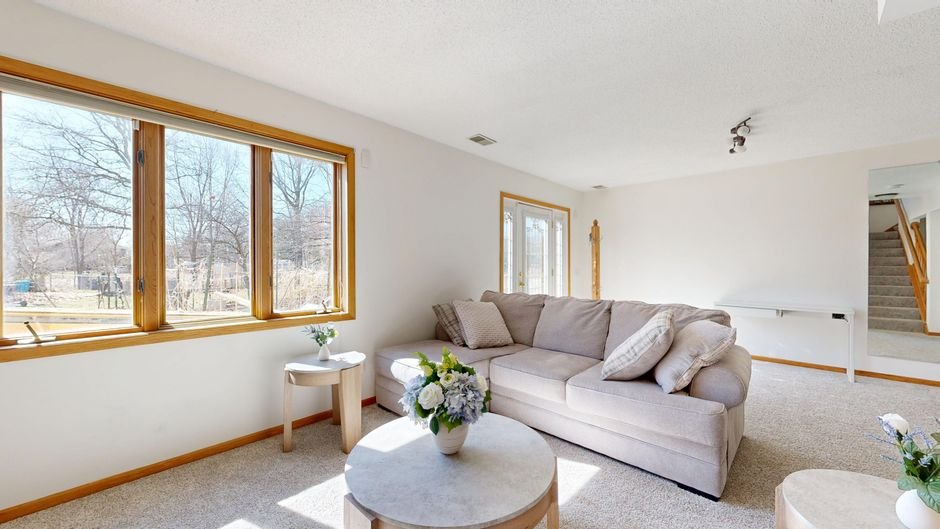
The moment you inherit property in Littlerock, CA, the financial responsibilities begin—even before probate closes. Many heirs are surprised to discover the ongoing expenses associated with maintaining an inherited property. Understanding these carrying costs is essential for making informed decisions about your timeline and strategy.
Property taxes continue regardless of whether the property is occupied or generating income. In Los Angeles County, where Littlerock is located, property taxes are based on the assessed value and are typically due in two installments. When you inherit property, you’ll need to contact the Los Angeles County Tax Assessor to update ownership information and ensure bills are being sent to the correct address.
Homeowners insurance is another non-negotiable expense. In fact, if the property has a mortgage, maintaining insurance is mandatory. Even without a mortgage, letting coverage lapse is risky—you’d be personally liable for injuries on the property or damage from fire, vandalism, or Littlerock’s occasional severe weather events. Some insurers may require you to upgrade to a vacant property or landlord policy if the home isn’t occupied, which typically costs more than standard homeowners insurance.
Utilities present another consideration. While you might reduce costs by turning off some services, maintaining electricity and water is generally advisable to prevent issues like frozen pipes in winter, pest infestations, or deterioration that makes the property difficult to show or sell. Basic utility costs in Littlerock typically run $150-300 monthly for a vacant property.
Don’t forget about maintenance and upkeep. Littlerock’s desert climate means properties can deteriorate quickly without regular attention. Landscaping maintenance, pool service (if applicable), and general repairs add up. Even a vacant property needs periodic inspections, yard maintenance to comply with local ordinances, and basic upkeep to prevent vandalism or squatting.
If there’s an outstanding mortgage on the inherited Littlerock property, those payments don’t stop during probate. The loan remains attached to the property, and missed payments can lead to foreclosure—even during the probate process. You’ll need to determine whether to continue payments, refinance, or sell the property to satisfy the debt.
HOA fees apply if the property is part of a homeowners association. These fees continue accruing and can result in liens if left unpaid, complicating your eventual sale.
For many heirs, these carrying costs create urgency around resolving the inherited property situation. The longer you hold the property, the more these expenses eat into any inheritance value. This is why many heirs in Littlerock choose to sell relatively quickly, particularly when they live out of the area or don’t plan to keep the property long-term.
Your Options for Selling Inherited Property in Littlerock
When you’ve decided to sell your inherited Littlerock property, you have several paths forward. Each option has distinct advantages and drawbacks depending on your situation, timeline, and the property’s condition.
The traditional market listing involves hiring a real estate agent who markets your property to potential buyers. This approach typically yields the highest sale price—when the property is in good condition and you have time to wait for the right buyer. However, most agents will require you to make repairs, handle cleaning and staging, and prepare the property for showings. In Littlerock’s rural market, properties can sometimes sit for months before finding a buyer, especially if they need work or are in remote locations.
Selling as-is to a cash buyer or investment company offers a completely different experience. Companies like Cressent Property Group purchase inherited properties in their current condition—no repairs, no cleaning, no staging required. This option is particularly valuable when the inherited property needs significant work, when heirs are scattered geographically, or when you want to close quickly and end the carrying costs. While the offer may be lower than top retail market value, many heirs find that after accounting for repair costs, carrying costs during a lengthy listing period, and agent commissions, the net proceeds are comparable—and the process is dramatically simpler.
| Factor | Traditional Listing | Sell As-Is for Cash |
|---|---|---|
| Timeline | 3-6+ months typically | 7-14 days possible |
| Repairs Needed | Usually required | None—sold as-is |
| Carrying Costs | Continue during listing period | Minimized with quick close |
| Commissions/Fees | 5-6% agent commission | None |
| Sale Certainty | Deals can fall through | Cash offers rarely fail |
| Best For | Updated homes, flexible timeline | Any condition, need quick resolution |
Some heirs consider renting the inherited property, especially if the real estate market is soft. While this generates income, it also means becoming a landlord with all the accompanying responsibilities—tenant screening, maintenance calls, legal compliance, and potential eviction issues. For heirs living outside Littlerock or those unfamiliar with property management, this option often creates more complications than it solves.
Your best option depends entirely on your specific circumstances. If multiple heirs are involved with different opinions, a quick cash sale often provides the cleanest resolution. If the property is mortgage-free, updated, and you have time to maximize value, a traditional listing might make sense. There’s no universal right answer—only the right answer for your situation.
Frequently Asked Questions About Inherited Property in Littlerock, CA
Do I have to pay inheritance tax on property in California?
California does not have an inheritance tax or estate tax. However, federal estate tax may apply if the total estate exceeds the federal exemption limit (currently over $13 million for individuals). Most inherited properties in Littlerock won’t trigger federal estate tax. You will, however, owe ongoing property taxes once you inherit, and you may owe capital gains tax when you sell if the property has appreciated since the date of death valuation.
Can I sell the inherited property before probate is complete?
In most cases, no—you cannot complete a sale until probate is finished and ownership officially transfers. However, you can certainly market the property, accept offers, and have everything ready to close immediately once probate concludes. Some probate sales can occur during the probate process with court approval, but these involve additional legal steps and court oversight.
What if my siblings and I disagree about selling the inherited Littlerock property?
Disagreements among heirs are common. If the will or trust specifies how decisions should be made, that governs. Otherwise, the executor or administrator has authority to make decisions in the estate’s best interest. If disputes can’t be resolved, you may need to pursue a partition action, where the court orders the property sold and proceeds divided. This is costly and time-consuming, so mediation or buyout arrangements are usually preferable.
How is the sale price determined for tax purposes?
For tax purposes, your “basis” in the inherited property is the fair market value on the date of death (or alternate valuation date if chosen by the executor). This “step-up in basis” is a significant tax advantage—you only owe capital gains on appreciation after the date of death, not on the deceased’s original purchase price. Obtaining a professional appraisal as of the date of death helps establish this value and can save significant tax dollars.
What happens if the inherited property has a mortgage?
The mortgage doesn’t disappear when you inherit. Federal law (Garn-St. Germain Act) prevents lenders from enforcing due-on-sale clauses when property transfers to heirs, meaning you can continue the existing mortgage if you choose. You can also sell the property and pay off the mortgage from proceeds, or refinance in your own name if you plan to keep it. If mortgage payments aren’t maintained, the lender can foreclose regardless of probate status.
Should I get an appraisal before selling my inherited Littlerock property?
An appraisal serves two purposes: establishing your tax basis (fair market value at date of death) and helping you understand current value when deciding how to sell. If you’re considering a traditional listing, your agent will provide a comparative market analysis. If you’re evaluating a cash offer, an appraisal helps you assess whether it’s fair. For tax purposes, a professional appraisal dated close to the date of death is valuable documentation.