

The Complete Guide to Foreclosure in Antelope Valley, CA: Options and Timeline for Homeowners
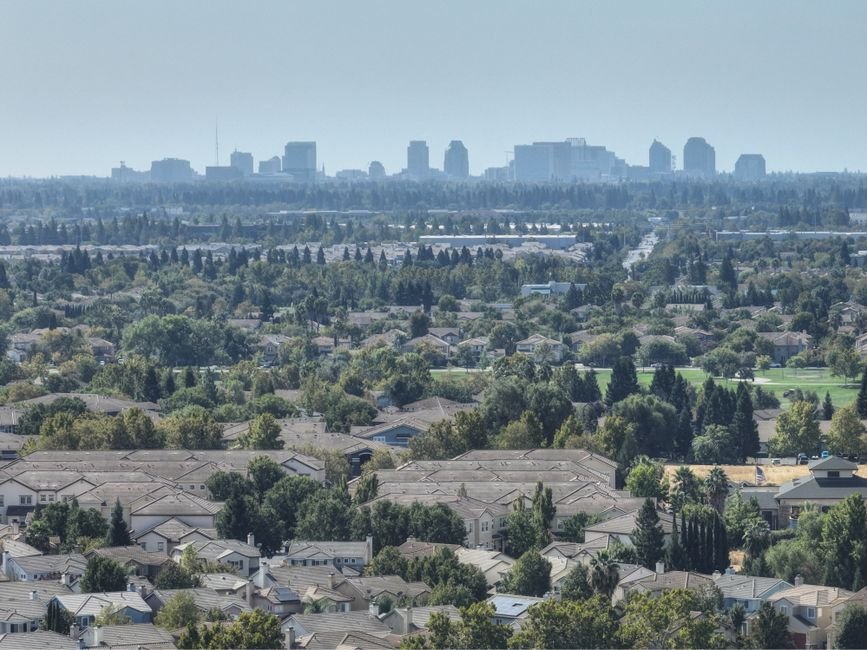
Receiving a notice of default on your Antelope Valley home can feel overwhelming. Whether you’re in Lancaster, Palmdale, or another community in the high desert, understanding California’s foreclosure process and your available options is the first step toward protecting your financial future. This comprehensive guide walks you through the foreclosure timeline in California, explores alternatives before auction, and shows you how to minimize credit damage during this challenging time.
At Cressent Property Group, we’ve helped dozens of Antelope Valley homeowners navigate pre-foreclosure situations with dignity and practical solutions. We understand the unique economic challenges facing our desert communities and are here to provide honest guidance—not pressure.
Understanding California’s Foreclosure Timeline: What Antelope Valley Homeowners Need to Know
California primarily uses non-judicial foreclosure, which means your lender doesn’t need to go through the court system to foreclose on your property. This process is governed by strict timelines that every homeowner should understand.
The foreclosure process in Antelope Valley typically begins after you’ve missed 3-4 mortgage payments. Here’s the detailed timeline:
Day 1-90: After you miss your first payment, your lender will begin sending payment reminders and late notices. During this period, you’ll accumulate late fees, but foreclosure proceedings haven’t officially started. This is your best window to catch up on payments or explore workout options with your lender.
Day 90-120: California law requires lenders to contact you (or make diligent efforts to contact you) to assess your financial situation and explore options to avoid foreclosure. This contact must happen at least 30 days before a Notice of Default can be filed. Your lender must inform you about available foreclosure prevention alternatives.
Day 120+: The Notice of Default (NOD) is recorded with the Los Angeles County Recorder’s Office. This public document officially starts the foreclosure process and indicates you’re in default on your mortgage. You’ll receive a copy by certified mail, and a copy will be posted on your property. The NOD begins a minimum 90-day period before the next step can occur.
During the 90-Day NOD Period: This is your reinstatement period. You can stop the foreclosure by paying all missed payments plus fees and costs. This is also when you should actively explore alternatives like loan modification, short sales, or selling your home quickly for cash.
After the 90-Day Period: Your lender can record a Notice of Trustee’s Sale (NTS), which sets an auction date at least 20 days in the future. The NTS must be published in a newspaper of general circulation in Los Angeles County for three consecutive weeks, posted on the property, and recorded with the county.
Auction Day: The trustee’s sale occurs on the courthouse steps (typically at the Los Angeles County location serving Antelope Valley). Your home is sold to the highest bidder. If no one bids higher than the opening price set by your lender, the property reverts to the lender as REO (real estate owned).
From the first missed payment to auction, the entire process typically takes 6-8 months in California, though it can vary based on your lender’s procedures and whether you pursue certain alternatives.
Your Options Before Foreclosure Auction in Antelope Valley
Many homeowners mistakenly believe they have no options once they receive a Notice of Default. The truth is quite different. Multiple pathways exist to avoid foreclosure, each with different advantages and considerations for your specific situation.
Loan Modification: Your lender may agree to modify your existing loan terms to make payments more affordable. This might include extending the loan term, reducing the interest rate, or adding missed payments to the principal balance. The federal government and California have various programs that encourage lenders to modify loans rather than foreclose. However, the approval process can be lengthy, and there’s no guarantee your lender will approve the modification.
Forbearance Agreement: If you’re experiencing temporary financial hardship—such as a job loss with a new position starting soon, or recovering from medical issues—your lender might agree to reduce or suspend payments temporarily. The missed payments are typically added to the end of the loan or spread out over future payments once the forbearance period ends.
Refinancing: If you have sufficient equity and your credit hasn’t been too damaged, refinancing into a new loan with better terms might be possible. However, this becomes increasingly difficult once a Notice of Default has been filed, as most traditional lenders won’t refinance a home in pre-foreclosure.
Short Sale: When you owe more than your home is worth, your lender might agree to a short sale, allowing you to sell the home for less than the outstanding mortgage balance. The lender accepts the sale proceeds as full settlement of the debt. Short sales take time—often 3-6 months—and require lender approval, but they’re generally less damaging to your credit than foreclosure.
Deed in Lieu of Foreclosure: You voluntarily transfer ownership to your lender in exchange for being released from the mortgage obligation. This option typically requires that you’ve attempted to sell the home first and is only available if there are no junior liens on the property. While still negative, it’s somewhat less damaging to your credit than foreclosure.
Selling to a Cash Buyer: Companies like Cressent Property Group purchase homes directly from homeowners in pre-foreclosure, often closing in as little as 7-10 days. This option works when you have some equity in your home and need a fast solution. You receive cash for your equity, stop the foreclosure, and avoid the significant credit damage of an auction.
Bankruptcy: Filing for bankruptcy triggers an automatic stay that temporarily halts foreclosure proceedings. Chapter 13 bankruptcy allows you to reorganize your debts and catch up on missed mortgage payments over 3-5 years while keeping your home. Chapter 7 might delay foreclosure temporarily but typically doesn’t provide a long-term solution for keeping your home. Bankruptcy has serious long-term credit implications and should be discussed with a qualified bankruptcy attorney.
| Option | Typical Timeline | Credit Impact | Best For |
|---|---|---|---|
| Loan Modification | 2-4 months | Moderate (if approved) | Those wanting to keep their home with sustainable payments |
| Short Sale | 3-6 months | Significant but less than foreclosure | Homeowners underwater on their mortgage |
| Deed in Lieu | 1-2 months | Significant but less than foreclosure | Those who can’t sell and want to avoid foreclosure |
| Cash Sale | 7-14 days | Minimal to none | Homeowners with equity who need a quick solution |
| Bankruptcy (Ch. 13) | Immediate stay; 3-5 year plan | Severe (7-10 years on credit) | Those with regular income wanting to reorganize all debts |
Protecting Your Credit During Pre-Foreclosure

A completed foreclosure can remain on your credit report for seven years and may drop your credit score by 200-400 points. However, the earlier you act in the pre-foreclosure process, the better you can protect your credit standing.
Act Before the Notice of Default: Once an NOD is filed, it becomes public record and may be reported to credit bureaus. Taking action during the late payment stage—before the NOD—gives you the best chance of minimizing credit damage. Late payments are certainly negative, but they’re far less damaging than a foreclosure notation.
Communicate With Your Lender: California law requires lenders to explore alternatives with you before foreclosure. Being proactive and responsive in these communications shows good faith and may result in more favorable workout options. Document all communications in writing when possible.
Consider Selling Quickly: If you have equity in your Antelope Valley home, selling before foreclosure—even for less than you hoped—protects your credit far better than going through auction. A traditional sale or sale to a cash buyer like Cressent Property Group shows as a normal property transaction on your credit report, not a foreclosure.
Understand the Difference in Credit Impact: A short sale typically drops your credit score 50-150 points less than a foreclosure. A deed in lieu has a similar impact to a short sale. By contrast, bankruptcy can be as damaging or more damaging than foreclosure, depending on your overall credit profile.
Keep Other Accounts Current: While you’re dealing with your mortgage situation, continue paying other bills on time if possible. Your credit score is influenced by your entire credit profile, not just your mortgage. Keeping credit cards, car payments, and other obligations current helps preserve your overall credit standing.
Monitor Your Credit Reports: Request free credit reports from all three major bureaus (available at AnnualCreditReport.com) to ensure foreclosure-related information is being reported accurately. If you successfully avoid foreclosure through one of the alternatives, verify that the resolution is properly reflected.
Why Antelope Valley’s Real Estate Market Matters for Your Options
Understanding current market conditions in Lancaster, Palmdale, and surrounding Antelope Valley communities directly impacts which pre-foreclosure option makes the most sense for your situation.
The Antelope Valley market has experienced significant appreciation over the past few years, meaning many homeowners who purchased before 2020 have built substantial equity. If you have equity, you have more options—particularly selling your home before auction to preserve that equity and protect your credit.
However, some Antelope Valley homeowners purchased during the previous market peak or made minimal down payments and may be underwater or close to breaking even on their mortgage. In these situations, short sales or deed in lieu arrangements become more relevant options.
The distance from Los Angeles combined with Antelope Valley’s affordability relative to coastal areas means there’s consistent buyer demand, particularly from investors and first-time homebuyers. This demand works in your favor if you need to sell quickly—there are buyers willing to purchase, even on accelerated timelines.
Cash buyers like Cressent Property Group specifically serve the Antelope Valley market and understand local property values, neighborhood differences between east Palmdale and west Lancaster, and how to price homes competitively for quick sales. We make fair offers based on current market conditions, property condition, and the amount of equity you need to walk away with.
What Happens to Your Equity in Foreclosure?
Many Antelope Valley homeowners don’t realize that if their home sells at auction for more than they owe, they’re entitled to the surplus funds—minus all foreclosure costs, fees, and expenses. However, recovering these funds requires filing a claim with the court, and the process can be complicated and time-consuming.
More problematically, homes rarely sell for full market value at foreclosure auction. Investors typically bid conservatively because they haven’t inspected the interior, don’t know the precise condition, and face competition from other bidders. Properties commonly sell for 70-85% of market value at auction.
This means if you have $80,000 in equity based on current market value, you might only see $20,000-$40,000 after the auction (or potentially nothing if the home sells for less than expected). Additionally, you’ll wait months to receive surplus funds while your credit suffers foreclosure damage.
Selling before auction—even with some compromises on price or terms—typically preserves significantly more equity while protecting your credit. This is why exploring cash sale options during the pre-foreclosure period makes financial sense for homeowners with equity.
Frequently Asked Questions About Foreclosure in Antelope Valley, CA
How many payments can I miss before foreclosure starts in California?
California lenders typically begin the formal foreclosure process after 3-4 missed payments (about 120 days of delinquency). However, you’ll receive collection calls and late notices much earlier. The 120-day period before a Notice of Default can be filed is mandated by California law.
Can I sell my Antelope Valley home after receiving a Notice of Default?
Yes, absolutely. You can sell your home at any point before the actual foreclosure auction. In fact, selling during the NOD period is one of the best ways to avoid foreclosure, preserve your equity, and protect your credit. Cash buyers like Cressent Property Group regularly help homeowners in this exact situation.
Will I owe money after foreclosure in California?
California is generally a non-recourse state for purchase money mortgages (loans used to buy the home). This means if you used the loan to purchase your primary residence, the lender typically cannot pursue you for a deficiency judgment after foreclosure. However, refinanced loans, home equity lines of credit, and investment properties may not have this protection. Consult with an attorney about your specific situation.
How long after foreclosure can I buy another home?
Conventional loans typically require a 7-year waiting period after foreclosure. FHA loans require 3 years (or as little as 1 year with extenuating circumstances documentation). VA loans require 2 years. These waiting periods may be shorter if you pursue alternatives to foreclosure like short sales (typically 2-4 years depending on the loan type).
Can filing bankruptcy stop foreclosure in Antelope Valley?
Yes, filing bankruptcy triggers an automatic stay that immediately halts foreclosure proceedings. Chapter 13 bankruptcy allows you to catch up on missed payments over 3-5 years while keeping your home. However, you must have sufficient regular income to make both your ongoing mortgage payments and catch-up payments. Chapter 7 bankruptcy only temporarily delays foreclosure unless you can negotiate new terms with your lender.
What’s the advantage of selling to a cash buyer like Cressent Property Group?
Cash buyers can close quickly (often 7-14 days), don’t require you to make repairs, and provide certainty in uncertain times. Unlike listing with an agent—which might take months and could fall through if the buyer can’t get financing—cash sales eliminate these risks. This speed matters when you’re racing against a foreclosure timeline. You also avoid realtor commissions and save on holding costs.
Do I need an attorney for foreclosure proceedings in California?
While not required, consulting with a foreclosure attorney can be valuable, especially if you’re considering bankruptcy, believe the lender made procedural errors, or don’t understand your rights. Many attorneys offer free initial consultations. However, for straightforward pre-foreclosure sales or lender negotiations, many homeowners successfully navigate the process without legal representation.
Take Action Now: Your Next Steps
If you’re facing foreclosure in Antelope Valley, time is your most valuable asset. The earlier you explore your options, the more options you have available and the better you can protect both your equity and your credit.
Cressent Property Group has helped countless homeowners in Lancaster, Palmdale, and throughout the Antelope Valley navigate pre-foreclosure situations with fair, honest solutions. We’re not here to take advantage of your difficult situation—we’re here to provide a legitimate option that might be the right fit for your circumstances.
We can typically make you a fair cash offer within 24-48 hours and close in as little as 7 days if needed. There’s no obligation, no pressure, and no fees for our service. We simply evaluate your situation, explain what we can offer, and let you make the decision that’s right for your family.
Call us today at 1-800-642-1549 to discuss your situation confidentially. Our team understands California foreclosure law, the Antelope Valley market, and most importantly, the stress you’re experiencing. Let’s talk about whether a quick sale might be the solution that gets you out from under foreclosure worry and back on the path to financial stability.
You have options. You have time, but not unlimited time. Make today the day you take control of the situation instead of letting the foreclosure timeline control you. Call Cressent Property Group at 1-800-642-1549 or visit us at cressentpropertygroup.com to learn more.